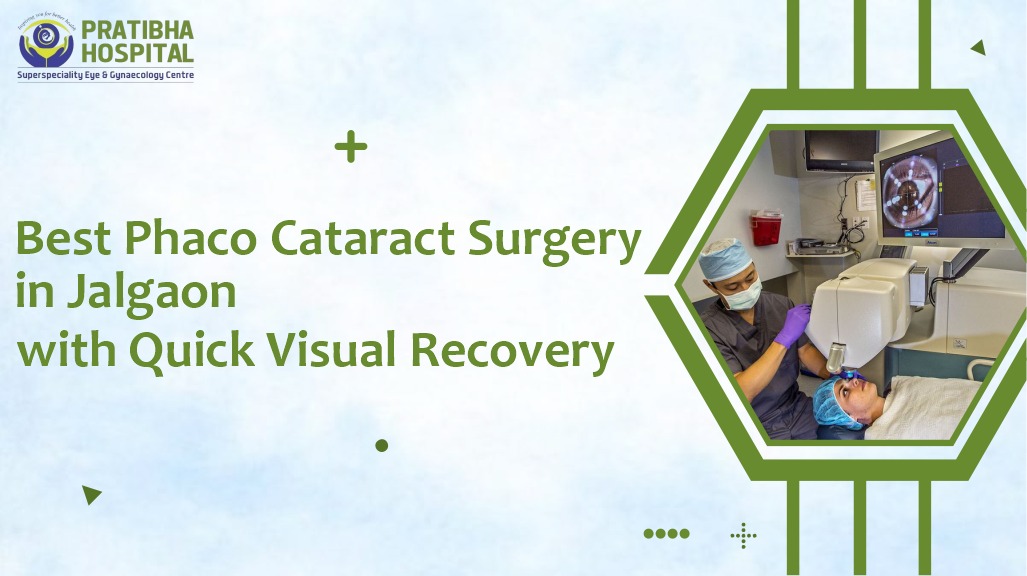
Best Phaco Cataract Surgery in Jalgaon with Quick Visual Recovery
Cataract is one of the most common causes of vision loss, especially in people over the age of 50. Yet now, thanks to methods like Phaco Cataract Surgery, sharp eyesight often returns fast, without much hassle. New tools combined with expert hands make fixing cataracts far more reliable than before. Speed, safety and success these shape how care unfolds today.
For people searching for the best eye surgery hospital in Jalgaon, Pratibha Hospital is known for advanced ophthalmology care, including stitchless phaco cataract surgery, LASIK eye surgery, laser eye surgery for eyesight correction, and other specialist eye procedures. We provide the best Phaco cataract surgery in Jalgaon. When it comes to top eye care in Jalgaon, patients often land at Pratibha Hospital its name pops up thanks to high-end treatments like blade-free cataract fixes, vision-correcting lasers, and a range of precise eye operations. Steering the ship are seasoned hands: Dr. Chetan V. Patil brings extra training in small-incision cataract work and pressure-related eye conditions, while Dr. Shradha C. Patil runs the women’s health wing with equal skill.
This blog walks through what cataracts are, where they come from, how they show up, the phases they go through, recovery after treatment, and why modern phaco surgery in Jalgaon helps.
Meaning of Cataract
A cataract forms when the eye’s clear lens turns hazy, making sight less sharp. Light passes through this transparent part easily at first. Over time though, changes happen inside it proteins shift and clump up. Aging often drives these shifts, but other causes appear too. Vision dims because light cannot reach the back of the eye as well.
Fog inside the lens stops light moving straight through the eye, causing fuzziness, halos around lights, less sharp sight. Vision dims when that haze spreads across the center path where light travels.
Foggy vision often clears when surgeons swap out the natural lens for a manufactured one during an operation. This fix usually happens using sound waves that soften up the clouded lens so it can slide out through a small cut. Tiny tools make space for the new implant without needing big openings.
Small cuts, just 1.8 to 2.2 millimeters wide, mark the start of cataract treatment at Pratibha Hospital in Jalgaon. This method skips stitches by relying on modern phaco tools. Healing happens fast because the opening closes naturally. Vision returns quickly after the procedure wraps up.
Causes of Cataract
Out of nowhere, age tends to play a big part in clouding the eye’s lens. Medical conditions sometimes step in, too, nudging chances higher. Lifestyle choices tag along as well, adding their own weight without warning.
1. Aging
Cataracts usually show up as people get older. With passing years, lens proteins slowly fall apart, which brings a foggy view.
2. Diabetes
Patients managing diabetes often face cataracts sooner because shifts in body chemistry affect the eyes. What happens inside the lens ties back to how sugar levels alter normal function over time.
3. Eye Injury or Trauma
Any injury to the eye may damage the lens and lead to cataract formation.
4. Prolonged UV Exposure
Facing sunlit skies too long, eyes uncovered, raises chances of cloudy lenses later on. Over years, unprotected sight gathers damage that dims vision slowly. Sunbeams, day after day, wear down delicate tissue inside the eye. Without shields like shades, light piles up harm where it shouldn’t. Repeated brightness without guard shifts the odds toward foggy sight.
5. Genetic Factors
Folks in your family tree might’ve had them that could mean you’re more likely to see changes too.
6. Certain Medications
Long-term use of steroid medications may contribute to cataract development.
7. Previous Eye Surgery
Even after procedures like LASIK or laser treatment to fix sight, some people must keep up routine eye checkups this helps catch problems early. A single oversight might blur the outcome. Not every healing path runs smooth. Watchfulness becomes part of daily care. Changes in vision could signal deeper shifts. Each follow-up visit adds clarity. Past operations don’t guarantee future stability. Eyes shift over time, sometimes without warning. Consistent exams hold quiet importance. Without them, small issues grow large.
Symptoms of Cataract
Over time, signs of cataracts tend to appear slowly. At first, shifts in vision might seem small yet clarity fades more each stage advances.
Common symptoms include:
- Blurred or cloudy vision
- Difficulty seeing at night
- Increased sensitivity to light or glare
- Seeing halos around lights
- Frequent change in glasses prescription
- Faded or yellowish colors
- Double vision in one eye
If these symptoms interfere with daily activities like reading, driving, or recognizing faces, it is important to consult an eye specialist or surgeon in Jalgaon. Sometimes blurry sight slows you down more than you notice. A specialist might spot what feels off. Small shifts add up until they block your usual rhythm.
A visit to Pratibha Hospital for a comprehensive eye evaluation. Once doctors understand what they see, cataract surgery may be discussed. Each step follows only after careful review. Not everyone moves forward some simply need monitoring. Clarity matters most here, not speed.
Stages of Cataract
Cataracts usually progress through different stages.
1. Early Cataract
Foggy patches begin to form on the lens, though they’re slight. Eyewear might keep things clear enough for now.
2. Immature Cataract
Mist begins to thicken, slowly making it harder to see while reading or moving after dark. Nighttime tasks feel heavier when visibility dips without warning. Ordinary moments grow hazy as routine actions settle into a haze.
3. Mature Cataract
Fog settles deep inside the lens, blurring sight until everything fades into haze.
4. Hypermature Cataract
A thick cataract forms now, making vision worse without care. When it reaches this point, problems may follow unless addressed. The eye’s lens grows cloudy, blocking light more each day. Without help, damage might become harder to reverse later on.
Finding problems sooner means treatment starts faster. A clinic that focuses on eye care might save your sight later. Surgery done right when needed slows down damage.
Healing Stage After Cataract Surgery
Speedy healing stands out when it comes to phoco cataract procedures. Recovery often takes just days instead of weeks, making life easier sooner after the operation.
First Day Recovery
Few hours post-op, most people start seeing clearer. That whole process? Typically wraps up in under twenty minutes.
First Week
Sometimes the eyes turn a bit pink, feel irritated, or react to bright lights. Still, things tend to get better over time when using the eyedrops exactly as told.
2–4 Weeks
Cleared-up sight settles in while healing finishes inside the eye. Most daily routines start again without issue.
Faster healing often follows when tiny cuts replace larger ones during eye treatment no stitching needed here. Phaco means less poking around, just a quick fix without the usual thread work seen before.
From day one at Pratibha Hospital, high-tech tools shape how smoothly vision improves after surgery. Precision guides every cut, so pain stays low while healing speeds up. Because methods are sharp, most people see better faster without long waits or extra strain.
Treatment for Cataract
Cataracts won’t go away using pills or eye drops when they’ve grown too strong. Surgery on the eye remains the single method that works.
Phaco Cataract Surgery
A modern method called phacoemulsification now leads how cataracts are removed. This approach has become common across clinics worldwide due to its precision. Still, some areas rely on older forms because of equipment limits. Each year, more surgeons adopt this technique for smoother outcomes. Its popularity comes from consistent results over time.
During this procedure:
- A cut so small it barely shows goes across the eye.
- Breaking apart the cloudy lens happens when ultrasound waves hit it.
- Fragments get cleared away.
- A small man-made lens goes inside the eye. It takes the place of the natural one during surgery. This new lens helps focus light clearly. Vision often improves soon after it is set in place.
This method brings a few benefits
- Small incision surgery
- No stitches required
- Faster healing
- Minimal pain
- Quick return to normal activities
Fine-tuned tools at Pratibha Hospital in Jalgaon handle cataract procedures with steady accuracy. Machines built for clarity shape each step of eye care there. Precision comes through updated tech, not guesswork. Smooth outcomes link back to smart engineering behind the scenes.
Eye Doctor Specializing in Cataracts Jalgaon
A solid track record often shows up in how smoothly things go when it’s time for your procedure. Equipment that keeps pace with updates tends to make steps along the way feel less uncertain.
Eye care expert Dr. Chetan V. Patil focuses on cataracts and surgical treatments. His work unfolds where vision meets precision. Patients arrive with clouded sight, leave with clarity. Each procedure is shaped by years of practice. Safety guides every step forward. Knowledge passes quietly through skilled hands. Results speak without noise
Dr. Chetan Patil is an experienced ophthalmologist with:
- MBBS, DOMS, DNB (Ophthalmology)
- Fellowship in Phaco Surgery
- Fellowship in Glaucoma
Few hospitals match the care seen at Pratibha Hospital, where years of steady work have shaped a center now known across Jalgaon. Its strength lies not just in expert surgeries but in bringing every part of healing together inside a single space.
Why Choose Pratibha Hospital for Cataract Surgery in Jalgaon
Not many places in Jalgaon match what Pratibha Hospital offers when it comes to fixing vision through modern eye procedures. People usually land here after hearing about the high-end tools they use. Instead of settling for older methods, patients go where results feel more certain. Modern gear makes a difference, especially when clear sight is the goal. Word spreads fast once someone sees well again without glasses. That kind of outcome keeps drawing others toward the same clinic. What stands out isn’t just advance technology it’s how they’re put to work.
Advanced Technology
The hospital uses modern ophthalmology equipment, including advanced phaco machines for precise cataract removal.
Experienced Surgeons
Most eye operations get done by doctors who have spent years learning how to do them right. These specialists have put in countless hours perfecting their skills in operating rooms.
Stitchless Surgery
With tiny cuts, surgery becomes gentler, and healing speeds up. Procedures slip by without agony when entry points shrink. Recovery moves more quickly through narrow openings made with care.
Multiple Lens Options
Some patients pick monofocal lenses, others go for multifocal ones; vision goals shape what works best. While one type sharpens distance sight, another helps with both near and far tasks without glasses. Choice hinges on daily demands, eye health playing a quiet but key role behind the scenes.
Comprehensive Eye Care
Among the options available at the facility are care programs like
- LASIK eye surgery
- Laser eye surgery for eyesight correction
- Glaucoma treatment
- Routine eye check-ups
Tips for Healthy Eyes and Prevent Cataracts
Though aging plays a big role in cataracts, choices people make every day might slow them down.
Shield Eyes From Sun
Wear UV-protective sunglasses when outdoors.
Maintain Healthy Diet
Bright berries, citrus fruits, almonds and walnuts bring strong defenses against daily wear. Fresh oranges toss a punch of healing power into meals. Sunflower seeds slide in quiet protection with every handful. Fatty fish like salmon drift through weekly plates with steady grace. Each bite pulls double duty when colors crowd the plate.
Control Diabetes
Maintaining blood sugar levels helps protect eye health.
Avoid Smoking
Cigarettes light more than just a flame eyes pay the price over time.
Regular Eye Check-ups
Cataracts sometimes show up long before they cause trouble routine checks catch them. Eye issues often hide behind normal vision, yet doctors spot signs during standard exams.
Follow Doctor’s Advice
If you notice symptoms like blurred vision or glare, consult an eye surgery specialist in Jalgaon promptly.
Conclusion
Cataracts often cloud sight, yet today’s fixes like phaco surgery bring back clear vision fast. Life gets easier when eyes work better because medical steps now are gentle and quick.
For people looking for the best phaco cataract surgery in Jalgaon, Pratibha Hospital provides advanced eye care with modern technology and experienced specialists. Because of Dr. Chetan V. Patil’s knowledge, those needing cataract surgery get sharp, careful procedures that lead to fast healing and strong results.
Apart from cataract procedures, this hospital provides LASIK treatment alongside various In addition to cataract surgery, the hospital also offers LASIK eye surgery, laser eye surgery for eyesight correction, and other specialist eye treatments, making it a trusted destination for comprehensive eye care.
When blurry sight, sensitivity to light, or trouble focusing start showing up especially among loved ones a visit to an experienced eye doctor might make things right before problems grow. Clear eyesight often returns when skilled treatment meets today’s precise methods.